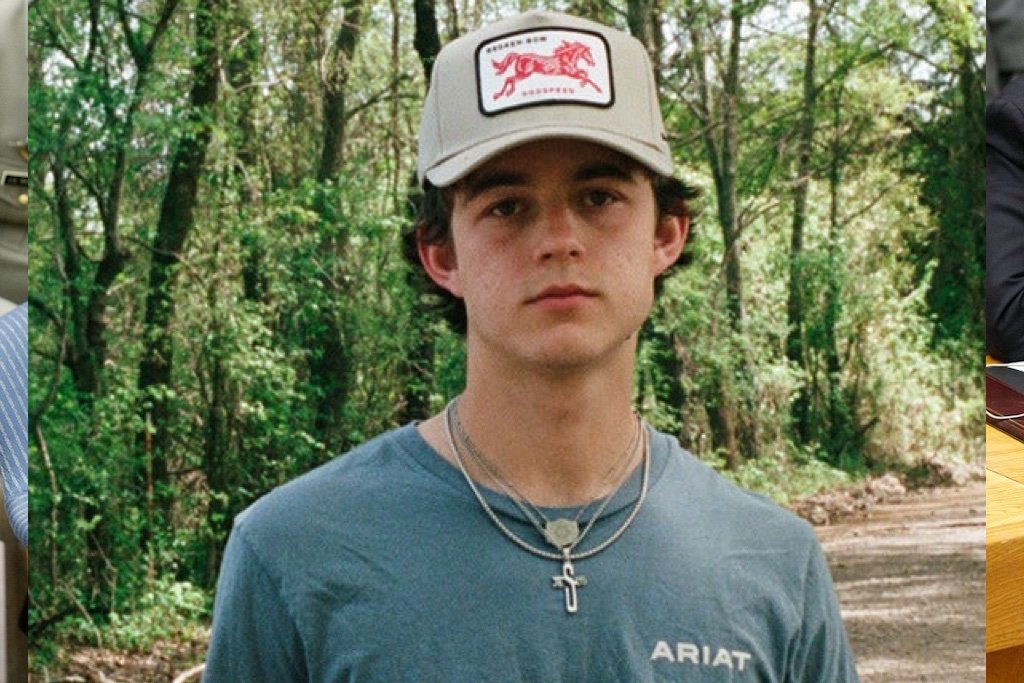
How a 19-year-old from a town of 800 in Hackett, Arkansas turned construction-site songwriting and a rec-room EP into 290 million streams and a debut album.
The 19-year-old who sounds twice his age
The detail that follows Waylon Wyatt everywhere is the gap between his age and his songwriting. He is 19, born in 2006, yet writes the kind of weathered, small-town country that usually takes decades of living to earn. That contrast is the whole story: a teenager from a town of fewer than 800 people, scribbling lyrics after long days on construction sites with his dad, who somehow arrived sounding like he had already lived several lives.
He belongs to the red-dirt, raw-Americana lineage of Tyler Childers and Zach Bryan, and like them he broke through on his own terms rather than Nashville’s. But where many TikTok-discovered acts feel disposable, Wyatt’s appeal is the opposite. His music is unpolished on purpose, and that sincerity is exactly what made listeners trust a 17-year-old singing about regret and home.
Quick facts
| Full name | Waylon Wyatt Potter |
| Born | October 16, 2006, Hackett, Arkansas |
| Age | 19 |
| Genres | Country, red dirt, Americana, folk |
| Roles | Singer-songwriter, musician, producer |
| Label | Darkroom Records (also home to Billie Eilish) |
| EPs | Til the Sun Goes Down (2024), Out of the Blue (2025) |
| Debut album | Dustpiles (July 17, 2026) |
| Gold singles | “Arkansas Diamond,” “Jailbreak” |
| Key influences | Tyler Childers, Zach Bryan, Chris Stapleton, Waylon Jennings |
| 2026 recognition | VEVO DSCVR Artist to Watch |
Hackett, Arkansas: a hometown that became the sound
Wyatt was born and raised in Hackett, a small town in Arkansas with a population under 800, and that smallness is central to understanding him. He has said he wrote his first song, “How to Be a Man,” at age six, but the more telling origin detail is how he developed as a teenager: workshopping songs after long summer days spent doing construction work alongside his father.
That isn’t a marketing backstory bolted on after the fact. The physical, working-class rhythm of rural Arkansas life shows up directly in his writing, which tends to circle small-town life, personal struggle and the ache of growing up. When venue bios and interviewers describe his music as “raw” and “red-dirt,” they’re pointing at something real: he was making this music while still living the life it describes.
He also did the early work himself. Wyatt recorded and produced his debut EP in the rec room of his childhood home, a homemade approach that became part of his identity rather than a limitation he had to overcome.
How “Everything Under the Sun” changed everything
Like most artists of his generation, Wyatt’s break came through TikTok, where his song “Everything Under the Sun” went viral and pulled millions of streams toward an unknown teenager from Arkansas. A live YouTube version, “Everything Under the Sun (Live from Arkansas),” drew hundreds of thousands of views and helped cement the intimate, unproduced image that defines him.
The momentum was fast. In May 2024 he opened for fellow musician Drayton Farley, and by the time he signed with Darkroom Records — notably also Billie Eilish’s label — he had transitioned from a kid posting covers to a genuine industry prospect. His debut EP Til the Sun Goes Down (2024) went on to amass more than 290 million streams, with two of its standouts, “Arkansas Diamond” and “Jailbreak,” both earning RIAA Gold certifications.
The student-musician balancing act
One of the more remarkable things about Wyatt’s rise is that he did much of it while still in school. He has described his second EP, Out of the Blue, released June 6, 2025, as a reflection of his first two years on tour while balancing life as a full-time student during the week — playing shows on weekends, then returning to class.
Out of the Blue also marked a turning point in how he makes music. It was the first project Wyatt recorded in a studio with a full band, a deliberate step up from the rec-room recordings that launched him. The progression matters because it shows an artist consciously growing rather than simply repeating the formula that first worked. Around the same stretch, he released “Smoke & Embers,” a duet with Willow Avalon, and “Sincerely, Your Son,” a tribute to his parents that leaned into the family themes central to his work.
Why the red-dirt comparison sticks
Wyatt openly cites Tyler Childers, Zach Bryan, Chris Stapleton, the Turnpike Troubadours and his namesake Waylon Jennings as influences, and critics have embraced the lineage — GRAMMY.com called him a “rising country star to know,” and he was named one of VEVO’s 2026 DSCVR Artists to Watch.
What’s worth noting is why those comparisons land beyond the obvious sonic similarities. Childers and Bryan both proved that authentic, regionally specific country could bypass the Nashville machine and build huge audiences through streaming and word of mouth. Wyatt is following that same path, and his refusal to over-polish — the acoustic intimacy, the plainspoken lyrics — is a feature his audience actively seeks out. In a country landscape often criticized for slickness, his rawness reads as honesty.
His live reputation reinforces it. Fans who have seen him at venues like Red Rocks describe him as “real and down to earth,” the same quality that comes through on record. That consistency between the persona and the person is rare for someone who became famous this young, this fast.
What’s next: the Dustpiles album
Wyatt’s biggest test arrives with his debut full-length album, Dustpiles, released July 17, 2026, supported by a world tour. The move from EPs to a full album is the natural next step, and it’s where the question hanging over his career gets answered: can the homemade sincerity that worked in two-to-five-minute viral clips sustain a complete body of work, and can a teenager keep growing as fast as his audience expects?
His touring schedule already includes major U.S. festivals, and his live shows blend intimate acoustic moments with full-band red-dirt energy — the same balance between homemade and ambitious that runs through his catalogue.
A note on the numbers: some celebrity sites circulate specific net-worth and per-show fee figures for Wyatt, but these are unverified estimates from secondary sources and should be treated with caution. What’s documented and reliable is the streaming success, the two Gold singles and the label backing — the things that actually indicate where his career is heading.
Conclusion
Waylon Wyatt’s story works because nothing about it feels manufactured. The construction jobs, the town of 800, the rec-room recordings, the song written at six — these aren’t a narrative built to sell records; they’re the actual raw material the records are made from. That authenticity is both his greatest strength and the thing he’ll have to protect as the venues get bigger and the studio budgets grow.
The real question for the next few years isn’t whether Wyatt is talented — the 290 million streams and Gold certifications settle that. It’s whether an artist who built his appeal on small-town rawness can scale up to arenas and a full album without losing what made him resonate in the first place. Dustpiles will be the first real evidence. For now, the most interesting young name in red-dirt country is a 19-year-old from Hackett who still sounds like he’s writing for himself.